
You can’t pour from an empty cup
For the carers of people with dementia, respite isn’t a luxury — it’s what makes the journey sustainable.
Becoming a carer for a person with dementia is a role that often grows gradually and compassionately, as small acts of support quietly become part of everyday life. Dementia is an umbrella term for progressive, degenerative changes in the brain that may affect memory, thinking, feeling and participating in everyday tasks. It is this slow, subtle evolution — from partner, relative or friend to carer — that is precisely what makes the impacts of caring for a person with dementia (however rewarding and beautiful an act of devotion) so easy to overlook.
In South Australia, around 245,000 people are unpaid carers, contributing an estimated $6.36 billion in care each year. Nationally, more than 40 per cent of primary carers of a person with dementia provide 60 or more hours of care each week — the equivalent of a round-the-clock role — and women represent the majority of those caring for someone with dementia. When asked, almost all carers agree that they desperately need more support, better access to respite care, and help for their own health and wellbeing.
“When asked, almost all carers say the same thing: they need more support, and better access to respite.”
Researchers call it the “caregiver paradox”: in caring so well for someone else, carers frequently neglect themselves. Half of our older carers in Australia rate their own health as average or below. They face a markedly higher risk of cardiovascular disease, more musculoskeletal injuries and falls, and significantly higher rates of depression and anxiety — often because their own social networks quietly shrink away as the demands of their caring role increase.
This is why respite is not a luxury — it is an essential means of self-care. Taking a genuine break protects a carer’s health, and in turn helps the person they are caring for. Taking respite from your caring role is not a sign of weakness, nor is it a sign of no longer caring; it is what makes your caring journey sustainable and rewarding.
This is where day programs can help. ECH’s Day Programs offer centre-based respite, providing activities in a safe, homelike setting — music, art, gardening, gentle exercise and good company — while carers take time to rest, attend their own appointments, or simply breathe and have a cuppa with friends.
Caring for someone with dementia is one of the great acts of devotion. But you cannot pour from an empty cup — and you were never meant to do this alone.
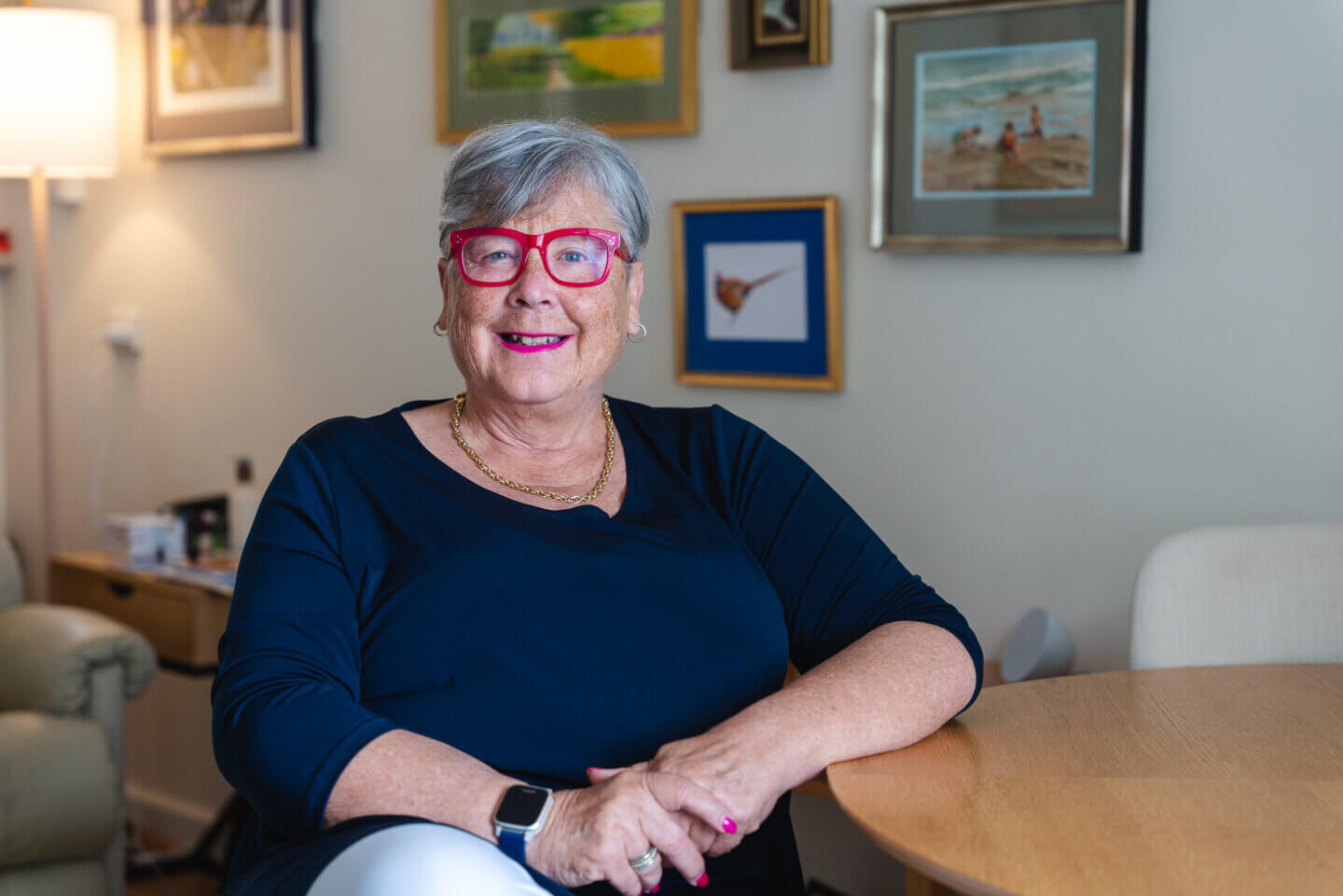
Vanessa Stalley-Gordon
ECH Sr Manager, Social/Community Programs and Service Development